
Understanding the psychology behind gambling what drives high-stakes players
The Allure of Risk and Reward
The psychology behind gambling, especially for high-stakes players, often revolves around the captivating allure of risk and reward. In the world of online gaming, platforms like chipstarscasino-uk.com/ offer opportunities to place significant wagers on a variety of games, providing an adrenaline rush that is hard to replicate in everyday life. This high-stakes environment creates a sense of urgency and excitement that keeps players engaged, often leading to prolonged gaming sessions. The prospect of a substantial monetary win can act as a powerful motivator, overshadowing the inherent risks of loss.

Moreover, the dopamine release associated with winning can create a feedback loop. Each victory reinforces the behavior, making players more likely to chase the next win, despite the odds being against them. This phenomenon is often referred to as the ‘gambling fallacy,’ where individuals believe that previous losses may influence future outcomes. High-stakes players may convince themselves that their luck is about to change, leading to riskier bets as they attempt to recoup losses or maximize gains.
This constant push and pull between fear of loss and desire for gain is central to understanding high-stakes gambling behavior. The emotional highs and lows create a rollercoaster effect, making the gaming experience addictive. When players start experiencing these emotional swings, the psychological compulsion to continue gambling can often overshadow rational thought, further driving them into high-stakes territory.
The Role of Social Influence
Social dynamics play a significant role in the gambling psychology of high-stakes players. Many individuals are drawn to high-stakes gambling environments because of the social aspect it offers. The atmosphere in casinos, whether online or land-based, can be electric, filled with the energy of others participating in the same experience. This social influence often magnifies individual behaviors, leading to a herd mentality where players feel compelled to raise their stakes to fit in or compete with their peers.
Additionally, high-stakes gambling is often glamorized in media and popular culture. The portrayal of successful high-stakes players as sophisticated and affluent creates a desirable image that many wish to emulate. This social influence can push individuals to take risks they might otherwise avoid, fueled by a desire for social recognition or status. The quest for approval and admiration can lead to a cycle where players continuously elevate their bets to maintain their social standing within their gambling circles.
Furthermore, the presence of high-stakes games can create an intoxicating atmosphere where players feel more confident and bold. Players may be encouraged by others to ‘go big or go home,’ reinforcing high-stakes behavior. This social dynamic can make it difficult for players to recognize their limits or the potential consequences of their actions, contributing to the allure of high-stakes gambling.
The Impact of Personality Traits
Personality traits significantly influence why certain individuals gravitate towards high-stakes gambling. Research shows that risk-takers and thrill-seekers are often more susceptible to engaging in high-stakes environments. These personality types find excitement in uncertainty, making them more likely to place large bets and engage in gambling behaviors that others might deem reckless. This innate desire for stimulation can lead them to seek out activities that provide intense experiences, including high-stakes gambling.
Moreover, traits such as impulsivity and sensation-seeking can exacerbate high-stakes gambling tendencies. Impulsive individuals might not consider the long-term consequences of their actions, focusing instead on immediate gratification. This short-sighted perspective can lead to escalating bets as they chase the thrill of potential winnings. High-stakes players may often exhibit a lack of foresight, making it challenging for them to understand when to stop or reassess their gambling habits.
Interestingly, emotional regulation also plays a role in high-stakes gambling. Players who struggle to manage their emotions may turn to gambling as an escape from stress or dissatisfaction in other areas of their lives. This reliance on gambling as a coping mechanism can lead to a cycle of high-stakes play, where players seek relief from emotional pain through risky behavior. Understanding these personality traits can provide insight into why some individuals are drawn to high-stakes gambling while others remain more cautious.
Gambling Myths and Misconceptions
The psychology of high-stakes gambling is often muddied by a plethora of myths and misconceptions. One of the most pervasive is the belief in ‘hot’ and ‘cold’ streaks, where players think that their luck can change based on recent outcomes. This belief can lead to players placing larger bets during perceived ‘hot’ streaks, driven by the false notion that they can predict outcomes based on previous results. This type of thinking can significantly amplify risks taken during high-stakes gambling.
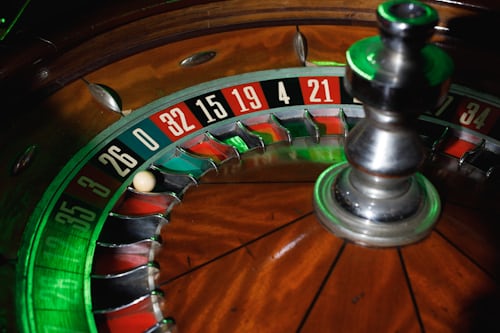
Another misconception is the belief that skill can overcome luck in games of chance. While skill does play a role in certain games, many high-stakes gambling activities, such as roulette or slots, are fundamentally based on luck. This misunderstanding can lead players to take on larger stakes, believing they can somehow control the outcome. The allure of high-stakes play is compounded by these misconceptions, as players often overlook the fundamental principles of probability and randomness.
These gambling myths not only shape individual behaviors but also influence the broader culture of gambling. Players may develop unrealistic expectations about their chances of winning, leading to financial losses and emotional distress. By addressing and debunking these myths, players can cultivate a more realistic understanding of high-stakes gambling, ultimately leading to healthier gambling habits.
Discovering Responsible Gaming
Understanding the psychology behind gambling, especially for high-stakes players, also necessitates a focus on responsible gaming practices. High-stakes environments can lead to excessive risk-taking, and promoting awareness about responsible gambling can mitigate potential negative consequences. Online platforms and land-based casinos alike are increasingly adopting measures to promote responsible gambling, such as self-exclusion options and limits on betting amounts.
Educating players about the risks associated with high-stakes gambling is essential. By providing resources and support, players can make informed decisions about their gaming habits. This education can empower them to recognize the signs of problematic gambling behavior and encourage them to seek help when necessary. Creating an environment that prioritizes player well-being can lead to a healthier relationship with gambling.
Additionally, reputable online casinos, such as OReels Casino, emphasize the importance of fair play and transparency. By offering tools for setting budgets and tracking time spent gaming, they create a safer space for all players, particularly high-stakes individuals. The balance between excitement and responsibility can foster a gaming experience that is both enjoyable and sustainable, allowing players to enjoy the thrill without falling into risky behavior.