
The allure of chance and risk
The psychology behind gambling is deeply rooted in the allure of chance and the inherent human fascination with risk. The thrill of unpredictability can trigger a rush of adrenaline, making players feel more alive as they place their bets. Casinos are designed to amplify this excitement, utilizing bright lights, engaging sounds, and a vibrant atmosphere that contribute to a heightened emotional state. In addition, players seeking a more diverse experience might explore options like a non gamstop uk casino that offers unique games and fewer restrictions, significantly influencing decision-making and risk assessment, often leading individuals to take chances they might otherwise avoid in a more conventional setting.
The idea of hitting it big with a single bet plays into the psychological concept of reward anticipation. This anticipation creates a powerful emotional response that can override rational thinking. Many gamblers become entranced by the potential for substantial rewards, often disregarding the statistical realities of losing. The near-miss phenomenon, where players come close to winning, can also amplify this feeling, causing them to continue playing in the hopes of achieving that elusive jackpot. The powerful emotional drive to win can create a cycle of gambling that is hard to break.
Moreover, the social aspect of gambling adds another layer to its psychological appeal. Interactions with fellow players can foster a sense of community while shared excitement over big wins creates lasting bonds. When individuals engage in gambling with friends or strangers, they not only enjoy the thrill of risk but also experience social reinforcement, which can drive them to gamble more. This combination of elements makes gambling an engaging yet potentially dangerous pursuit, blurring the lines between entertainment and addiction. The social interactions and shared experiences can enhance the thrill, making it even more compelling for participants.
The impact of cognitive biases
Cognitive biases play a significant role in gambling behavior, often skewing a player’s perception of risk and reward. One prominent bias is the illusion of control, where gamblers believe they can influence outcomes through skill or strategy, even in games of chance. For instance, a poker player may think that their strategic decisions significantly impact the outcome of the game, despite the inherent randomness involved in card distribution. This illusion encourages continued play and can lead to increased spending, as players feel empowered by their perceived skills. The belief that skill can overcome chance can lead to a dangerous cycle of gambling.
Another common cognitive bias is confirmation bias, where individuals seek out information that supports their beliefs while ignoring contradictory evidence. Gamblers often focus on their winning moments, reinforcing the notion that they possess skills or luck. This selective memory can distort their understanding of their gambling history and lead them to believe they are more successful than they truly are. Consequently, they may continue to gamble in hopes of replicating those wins, further entrenching their cognitive biases and potentially leading to financial loss. This skewed perception can make it difficult for individuals to recognize the risks they are taking.
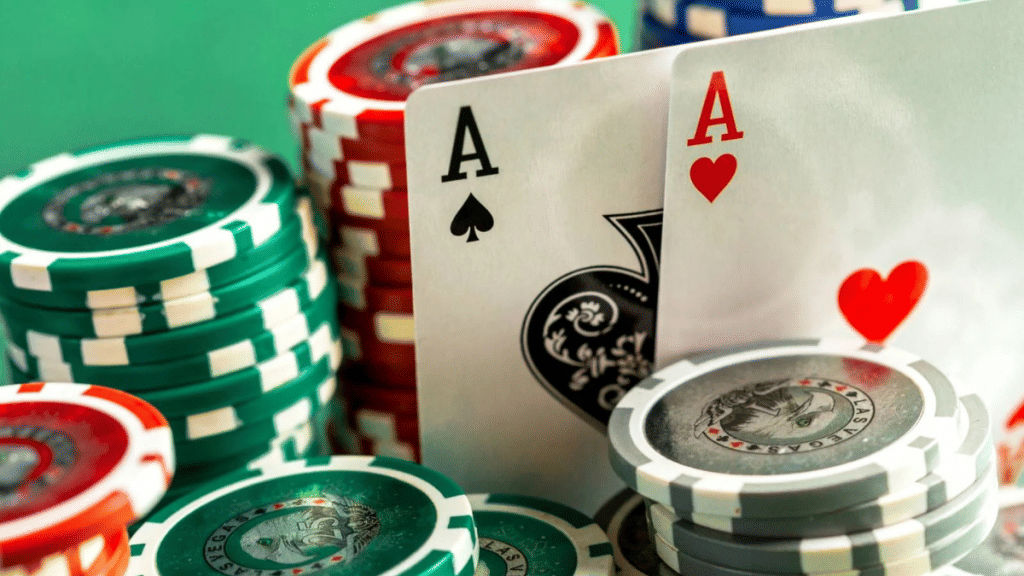
Finally, the gambler’s fallacy—another powerful cognitive bias—plays a critical role in shaping gambling behaviors. Many players mistakenly believe that past events can influence future outcomes in random games. For example, someone may think that because a roulette wheel has landed on red several times in a row, the chances of it landing on black are now greater. This fallacy leads to irrational betting patterns and can encourage players to chase losses, ultimately resulting in more substantial financial risks and losses over time. Understanding these cognitive biases is essential for recognizing how they can lead to problematic gambling behaviors.
The role of emotional regulation
Emotion regulation is a crucial aspect of gambling psychology, as individuals often turn to gambling as a means of coping with negative emotions. For some, the casino environment serves as an escape from daily stressors or personal troubles. The excitement and distraction found in gambling can provide temporary relief, but it may also lead to a cycle of negative emotional regulation. When individuals gamble to escape their issues, they risk falling into a pattern of unhealthy behavior that can exacerbate underlying problems rather than resolve them. This reliance on gambling as a coping mechanism can lead to further emotional distress.
Additionally, the emotional rollercoaster of winning and losing can create an addictive cycle that makes it difficult for players to find balance. The euphoric highs of winning can lead to increased gambling behavior, while the lows of losing can drive players to chase losses, hoping to recapture that initial thrill. This emotional volatility can make it challenging for individuals to recognize when their gambling has crossed into problematic territory. Over time, emotional regulation through gambling can lead to increased financial, social, and psychological harm, making it essential for individuals to find healthier coping strategies.
Understanding the intricate relationship between gambling and emotional regulation is key to developing effective interventions for those at risk of problem gambling. By improving emotional awareness and coping strategies, individuals may be better equipped to manage their feelings without resorting to gambling as a means of escape. Therapeutic approaches that address emotional regulation can help individuals cultivate healthier behaviors, reduce reliance on gambling for emotional relief, and foster overall well-being. This understanding can lead to more effective prevention and treatment strategies for gambling addiction.
The influence of environmental factors
The environment in which gambling occurs has a profound impact on the psychological experience of players. Casinos are meticulously designed to create an enticing atmosphere that encourages prolonged engagement. From the moment gamblers walk through the door, they are enveloped in an environment rich with sensory stimuli—lively music, the sound of coins clinking, and the visual stimulation of flashing lights. This carefully crafted ambiance can disorient individuals, making it easier for them to lose track of time and money as they immerse themselves in the gambling experience. The sensory overload can contribute to impulsive behaviors and increased gambling.

Moreover, the layout and accessibility of gaming machines and tables can significantly influence gambling habits. Conveniently placed machines and the absence of clocks or windows contribute to a lack of awareness about time and financial expenditure. Many players may find themselves gambling longer than intended due to these strategic environmental designs, which can lead to impulsive decisions fueled by the stimulating environment. The tendency to engage in more gambling is particularly pronounced in social settings, where the collective enthusiasm of fellow players can create an atmosphere conducive to increased betting and spending. This communal experience can further reinforce gambling behaviors.
Understanding how environmental factors shape gambling behavior underscores the importance of responsible gambling initiatives. By promoting awareness of the psychological and environmental influences at play in casinos, organizations can help individuals make more informed decisions about their gambling habits. Strategies such as setting time and spending limits, as well as creating safe gambling environments, are essential to mitigating the risks associated with casino gambling and fostering a healthier approach to gaming. These initiatives can empower individuals to enjoy gambling responsibly and minimize potential negative consequences.
Exploring resources for responsible gambling
The necessity for awareness and education surrounding responsible gambling has never been more crucial. As we have explored throughout this article, the psychology of gambling is complex and can lead individuals to engage in behaviors contrary to their best interests. Many resources are available to help individuals navigate their relationship with gambling. These include support groups, hotlines, and online resources focused on promoting responsible gambling practices. Understanding the signs of problem gambling is essential for individuals to take proactive steps before their behavior escalates into a more severe issue. Recognizing early warning signs can be key to preventing addiction.
Furthermore, educational programs that address the psychological factors of gambling can play a vital role in prevention efforts. By providing information about cognitive biases and emotional regulation, these initiatives equip individuals with the tools to make informed decisions and recognize when they may be at risk. Encouraging self-reflection and promoting healthy coping strategies can empower players to find enjoyment in gambling without succumbing to negative behaviors that lead to addiction. This educational approach can foster a culture of understanding and support within the gambling community.
Ultimately, fostering a culture of responsible gambling requires collective efforts from both the gambling industry and the public. Casinos can implement measures to promote responsible gambling, such as providing clear information about risks, setting up self-exclusion programs, and offering access to counseling services. By working together, the community can create a supportive environment where individuals can enjoy gambling as a form of entertainment while minimizing the potential for harm. Collaboration between stakeholders is essential to promote responsible gambling and protect vulnerable individuals.