
Understanding the psychology behind gambling behaviors and decisions
The Allure of Chance
The thrill of gambling often begins with a simple premise: the chance to win big. For many, this enticing prospect can quickly escalate into addictive behavior. The allure of unpredictability grips individuals, drawing them towards games of chance despite the inherent risks. This psychological pull is rooted deeply in our human desire for excitement and reward. It’s not just about the monetary aspect; rather, it’s the rush of adrenaline and anticipation that captivates players.
For example, when someone plays online pokies, the bright lights, sounds, and rapid gameplay create an immersive experience. This sensory engagement can heighten emotions and amplify the feeling of possibility, making it hard to resist the next round. Over time, this can lead to a compulsive mindset where the thrill overshadows the potential consequences. The environment surrounding gambling venues and online platforms is meticulously designed to enhance this allure, with vibrant aesthetics and enticing rewards triggering a cycle of excitement and desire.
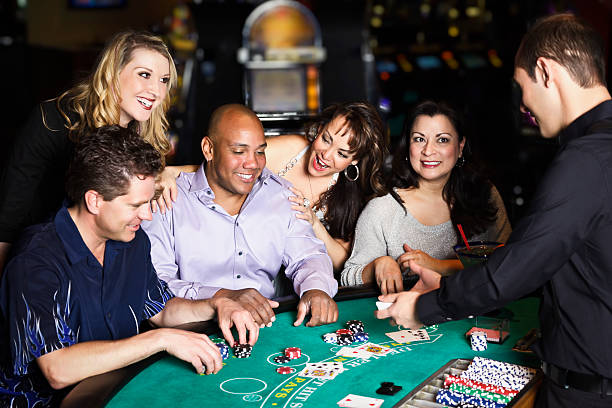
This experience is often magnified by personal expectations and desires, feeding into a fantasy where winning becomes not just a possibility but an obligation. Gamblers frequently romanticize the lifestyle of winners, leading them to ignore the reality of risk involved in gambling. Seeing oneself as a potential victor creates a dopamine rush that can certainly cloud judgment and encourage extended play. This underlines the fact that the gamble is not merely a transaction but a complex interplay of emotions that often leads individuals to ignore the stark realities of their situation.
Risk and Reward Dynamics
The psychology of gambling is deeply intertwined with the concepts of risk and reward. Gamblers often engage in a delicate dance between rational choice and emotional impulses. While they may understand the odds are stacked against them, the potential for winning can prompt individuals to take on greater risks. This phenomenon is often referred to as “loss chasing,” where players continue to gamble in hopes of recovering lost money.
This behavior can create a vicious cycle where losses only fuel the desire to gamble more. The brain’s reward pathways are activated during moments of anticipation, leading to a sense of gratification that can be incredibly compelling. As a result, individuals may find themselves in a constant state of playing, despite knowing the likelihood of losing. Furthermore, the illusion of a close win—feeling as though a person was “so close” to a breakthrough—further encourages persistent gambling behaviors, as these fleeting moments can be mistaken for future success. Each bet can morph into belief, leading to ever-growing stakes and a disregard for financial boundaries.

The Role of Social Influences
Society also plays a pivotal role in shaping gambling behaviors. Social contexts can normalize gambling, presenting it as a standard entertainment option rather than a potential risk factor. When friends or family members engage in gambling, it can create a sense of community that fosters participation. This social acceptance can disguise the dangers associated with compulsive gambling.
Furthermore, peer pressure can exacerbate the situation, as individuals may feel compelled to match the behaviors of those around them. In many cultures, gambling is celebrated, and the stories of big winners can overshadow cautionary tales. This environment can lead to poor decision-making and a lack of awareness regarding the risks involved. Moreover, social media platforms and publicity surrounding high-stakes events can glamorize gambling, painting it as an exciting and glamorous lifestyle rather than addressing the potential consequences associated with it.
The Psychological Traps of Gambling
Gamblers often find themselves ensnared by several psychological traps. One significant trap is the “illusion of control,” where individuals believe they can influence outcomes through their choices. This misconception can lead to overestimation of one’s skill level, prompting players to engage further despite mounting losses.
Additionally, cognitive distortions such as “gambler’s fallacy” can compound the issue. This is the belief that past outcomes can influence future results. For example, feeling that a slot machine must be “due” for a payout after a series of losses encourages continued play, despite the random nature of the games. The combination of these traps consistently pulls individuals deeper into gambling behavior. Compounding the problem are trends in gaming design that exploit these cognitive biases, deliberately increasing engagement through reward systems that mislead players about their chances of winning.
Finding Help and Resources
As difficult as it can be, understanding the psychology behind gambling behaviors offers pathways to recovery. Support systems, whether through professional help or community groups, can provide the necessary tools to regain control. Awareness is the first step towards recognizing harmful behaviors. Many find solace in sharing their stories with others who understand their struggles.
It’s crucial to acknowledge that gambling can escalate beyond casual fun, affecting various aspects of life. Recognizing when a pastime turns into a problem can save individuals from significant hardships. By leaning on resources available, those grappling with gambling-related decisions can work towards healthier habits and make informed choices. Initiatives for education about responsible gambling can serve as a preventative measure, equipping individuals with the tools to recognize when to step back. In doing so, individuals can not only protect themselves but also foster a healthier community where gambling is viewed through a lens of awareness and responsibility.